Candlemas Home Decor

Candlemas: The Feast of Light

As the last of the Christmas decorations have been packed away (for most of us), and the austere Lent is appearing on the horizon, many of us may have a “Liturgical Letdown.” Yet, there is a rich tradition for your domestic church, Candlemas home decor. 

Known formally as the Feast of the Presentation of the Lord, Candlemas is the official end of the Christmas season. It celebrates the day that the Holy Family brought Jesus to the temple. The aging prophet Simeon immediately recognized Jesus as the savior, calling him the “Light for revelation to the Gentiles.” This declaration—that Christ is the Light for all nations—is the reason the Church began the tradition of blessing all the candles to be used in the liturgy for the upcoming year on this day. It is why, for over a thousand years, this feast has been colloquially known as Candlemas.

Painting by Fra Angelico, The Presentation of Christ at the Temple. Candlemas home decor celebrates this feast day.
The Presentation in the Temple, Fra Angelico.

“Lord, now you let your servant go in peace; your word has been fulfilled. My own eyes have seen the salvation which you have prepared in the sight of every people: a light to reveal you to the nations and the glory of your people Israel.”Luke 2:29–32

The Blessing of Candles

The defining ritual of this feast is the formal blessing of candles, a practice that transforms a simple tool into a powerful sacramental. This tradition serves both the sanctuary and the home, bridging the gap between the public liturgy and your private (prayer) life.

The Light of the Sanctuary


During the Candlemas liturgy, the priest formally blesses the entire year’s supply of candles to be used at the altar. By ancient tradition, these candles contain at least 51% beeswax. This requirement is not merely for aesthetics; beeswax is rich in symbolism. The bee represents the Virgin Mother of Christ, and the wax represents the pure flesh of Christ. The flame then represents His divinity, consumed by love for humanity.

Priest blessing candles during Candlemas.
Blessing Candles at Candlemas.

Candlemas Traditions: How to Celebrate at Home.

One of the most beautiful ways to participate in this feast is to bring your own candles to Mass to be blessed for use in your home. Most parishes will have a designated area near the altar for these candles. Once blessed, these items are taken back to your home to be lit during family prayer, storms, or seasons of illness as a reminder of Christ’s protection and presence.

Choosing Your Materials

While beeswax candles are steeped in tradition, they are not formally required, especially for home use.  Your candles can reflect your specific family needs and aesthetic:

  • 100% Beeswax: The gold standard for the hallowed home. Beeswax burns longer, cleaner, and emits a natural honey scent that purifies the air. While it carries a higher cost, it is a sensory investment in the atmosphere of your home.
  • Paraffin or Soy: These are accessible and affordable options for creating a large visual impact, such as a “wall of light” on a mantel or hearth. They allow for a grander display on a modest budget.
  • LED and Electronic: For sustainability and safety in windows or homes with small children and pets, realistic LED wax tapers are a prudent choice. They allow the “witness in the window” to shine safely anywhere or any time, even all through the night without a fire risk.

The Hallowed Home: 9 Ways to Feature Candles

Coffee Table Display

Your coffee table is often the literal center of the home. Create a focal point by using a vintage brass or silver tray to group candles of varying heights. This “layered” look represents the Light of Christ breaking through the winter darkness.

Catholic Candles arranged on a Coffee Table as part of Candlemas Home Decor.
Our Coffee Table display.

Prayer Kneeler: Focused Devotion

If you have a dedicated prayer space or a kneeler, place a single, high-quality 100% beeswax taper in a sturdy holder next to it. Lighting this candle creates an immediate “sacred boundary,” signaling to the mind and heart that it is time to transition from the noise of the day to the silence of prayer.

Prayer corner with candle illuminating art and kneeler. Part of Candlemas home decor.
Our home Prayer Corner illuminated by LED.

Dining Room “Sacred Banquet”

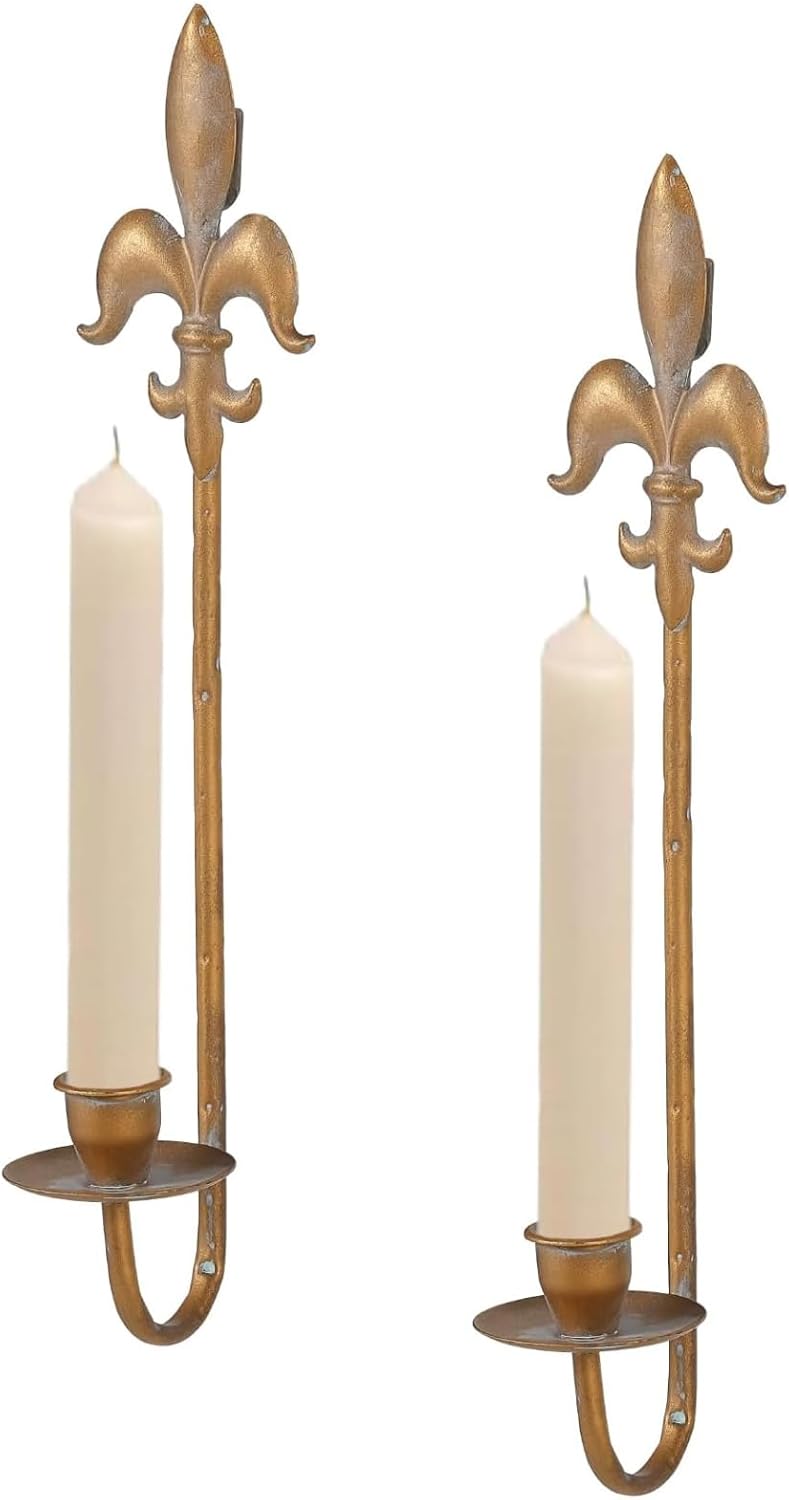
Utilize dining room wall sconces to hold blessed pillar candles. Lighting these elevates Sunday dinner or any dinner, as the flickering light against the walls mimics the atmosphere of an ancient cathedral, making a standard meal feel like a celebratory feast. Rublev’s Troitsa icon complements the scene.

Wall sconces with candles are part of our Catholic Home Decor.
Candles in our dining room framing Rublev's Troitsa (Trinity) icon.

Witness in the Window

A traditional Candlemas custom is to place a candle in the window. This acts as a silent witness to your neighbors, symbolizing that the Light of Christ is for the whole world (the Gentiles). For safety, an LED thick wax pillar candle or a realistic LED taper works beautifully here.

Entryway Icon & Votive

Place a small votive in front of an icon or image in your foyer.  Each time you leave, it reminds you that you carry the Light of Christ into the world, and each time you return, it welcomes you back to your hallowed home.

Our Catholic Home Decor begins in the foyer with votive candles surrounding an image of Jesus.
Entryway to our home with Divine Mercy image and LED-lit lanterns. (The marble top table and mirror were thrift shop finds.)

Kitchen Candle

Sanctify the “daily work” of the home by keeping a small, clean-scented beeswax candle on the kitchen counter. Light it while preparing meals or washing dishes to turn those moments of service into a prayer of offering.

Bedside “Night Watch”

In the monastic tradition of Compline (Night Prayer), the final prayer before sleep, we ask for God’s protection. Keep a small LED candle on your nightstand to light during your final evening examination of conscience, allowing the soft glow to be the last thing you see.

Bookshelf Niche

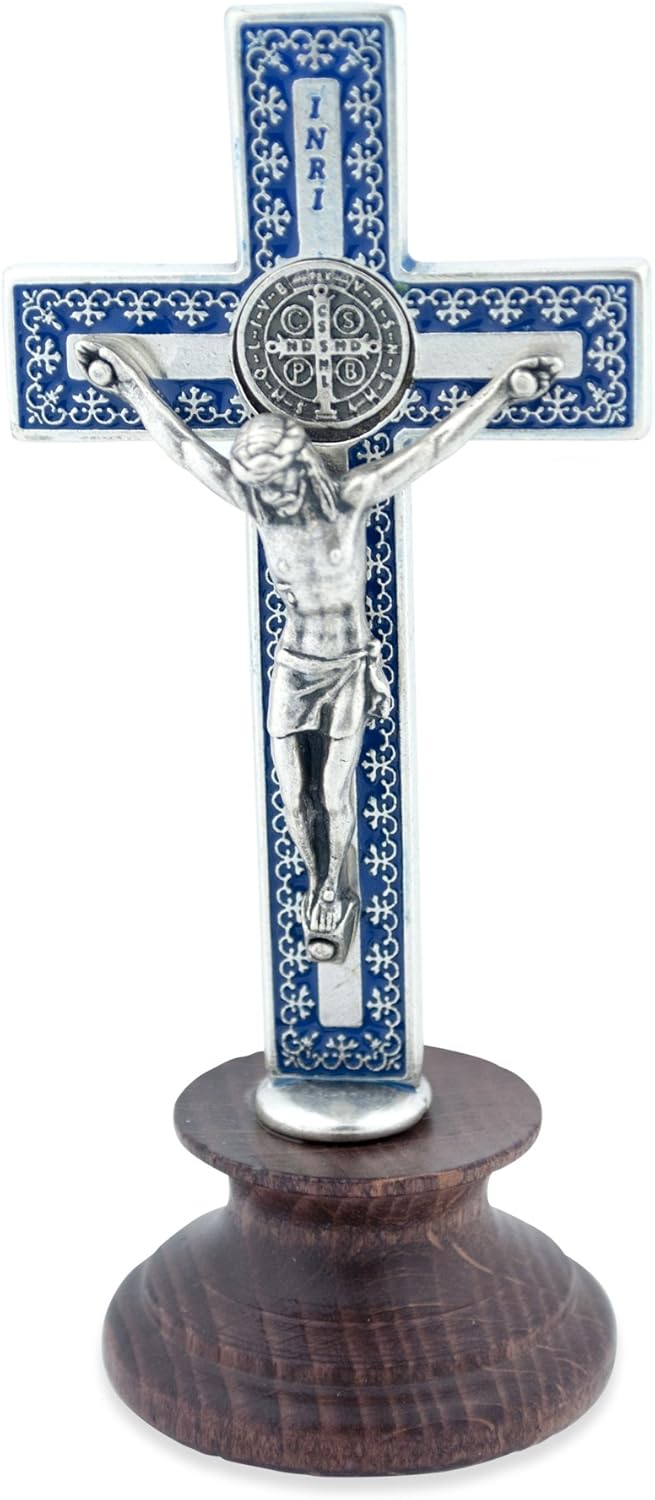
Clear a small “niche” in your bookshelf among your spiritual books. Place a candle and a small crucifix or religious image there. This creates a “micro-shrine” that draws the eye toward the sacred even in a room primarily used for work or study.

Our home's bookshelf niche with the Holy Face image.

Hearth Wall of Light

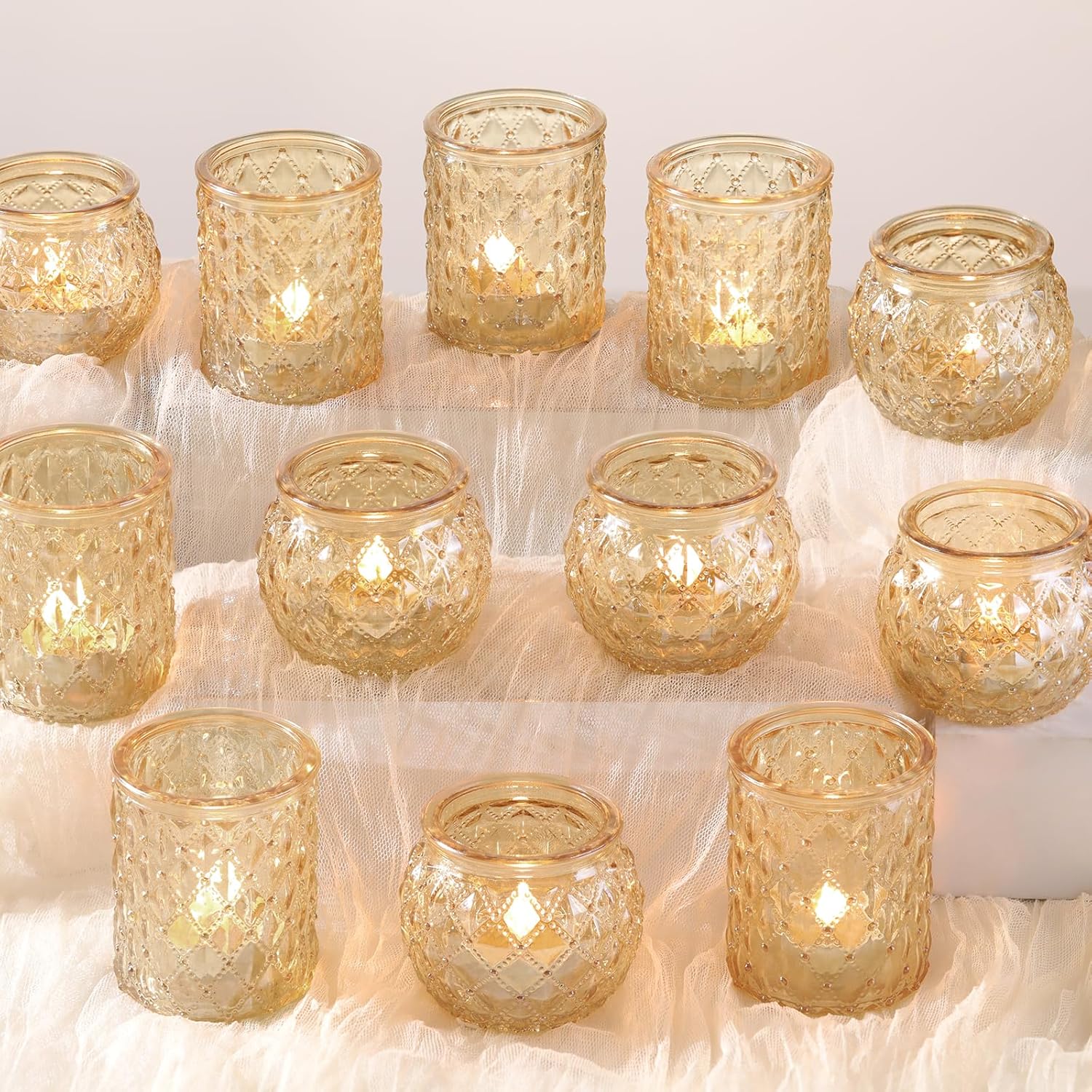
Whether or not you have a fireplace, you can create a “wall of light” effect. Place simple glass votives along the fireplace mantel. Or if you have a fireplace that isn’t in use, line the interior space with an array of votives or candles. The same can be done on any den or living room shelf with LEDs. This visually represents the Candlemas procession—a chorus of flames standing together against the winter dark.

The Presentation in Sacred Art

The Presentation is more than a historical event; it is a part of spiritual life as the Fourth Joyful Mystery of the Rosary. This moment—where the Old Covenant meets the New—has served as a primary muse for the Church’s greatest artists for centuries. Sacred art has captured the moment of transition, where the infant Christ is handed from the arms of His mother to the arms of Simeon, signaling that the Light of the World has finally arrived to be revealed to all nations.

When examining these masterworks, specific symbols reveal the deeper heritage of the Holy Family. St. Joseph is almost always depicted holding two turtledoves, the “sacrifice of the poor” required by Mosaic law. This detail highlights the profound humility of the original Domestic Church; while Mary and Joseph offered the humble sacrifice of birds, they were presenting the Lamb of God. 

The Presentation of Jesus at the Temple. The Scrovegni Chapel. Fresco by Giotto. Fine Art print.  

The Presentation of Jesus at the Temple. The Scrovegni Chapel. Fresco by Giotto. Stretched Canvas Print 
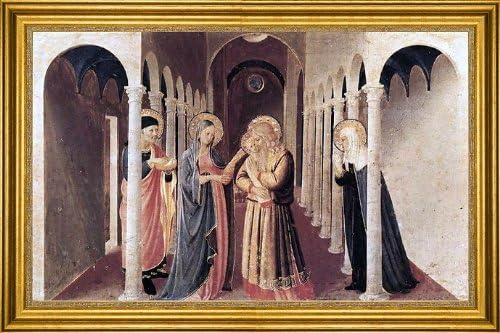
Incorporating a high-quality depiction of the Presentation, from a great master, is sure to enhance your domestic church. We tend to favor Giotto, in remembrance of our visit to the Scrovegni Chapel in Padua, but many other great artists have left us their masterpieces. We also like Fra Angelo and, of course, Rafael. Hanging one of these is a perfect way to anchor a prayer corner or a dedicated “rosary wall.”

The Presentation of Christ in the Temple. By Fra Angelico. Premium Canvas Print with Gold Frame

Raphael’s “The Presentation in the Temple.” Premium Canvas Print with Gold Frame

Candlemas FAQ

Is Candlemas a Holy Day of Obligation? Candlemas, or the Feast of the Presentation of Our Lord, is not a Holy Day of Obligation

How can I get my candles blessed? You can bring your candles to church, especially those intended for your Candlemas home decor, to be blessed at Candlemas time. Consult with your parish priest or office for where and when to bring your candles in. Please note that Candlemas falls on a Monday in 2026. 

When does Christmas end? Christmas begins with the vigil Mass on Christmas Eve, but when does it end? The Christmas season has several “endings” based on various traditions. Some take down decorations after Epiphany, where they also bless the home with chalk. Others, after the baptism of our Lord (Sunday after Epiphany), and some consider the Feast of the Presentation (Candlemas) to be the end of the Christmas season. 

Do I need to keep Christmas Decorations up until Candlemas? Many Catholics do keep their decorations up until February 2nd, but it’s not necessary. The tradition of the Church is not to take them down soon after Christmas Day so as to “keep Christmas” at least as long as the Christmas octave. Some take them down after Epiphany (January 6th), or the Feast of the Baptism of Our Lord (Sunday after Epiphany). 

Do I need to decorate my house for Candlemas? No, we simply are giving ideas for Candlemas home decor. Candles keep your hallowed home inviting, warm, and beautiful the whole year through.

Hallowed Home pilgrimage road leading to a faithful home threshold.